Coleção
Coleção de Chá Japonês
Cultivo à sombra, umami e jade — chá como arte de Uji, Quioto.
A Arte da sombra e do umami
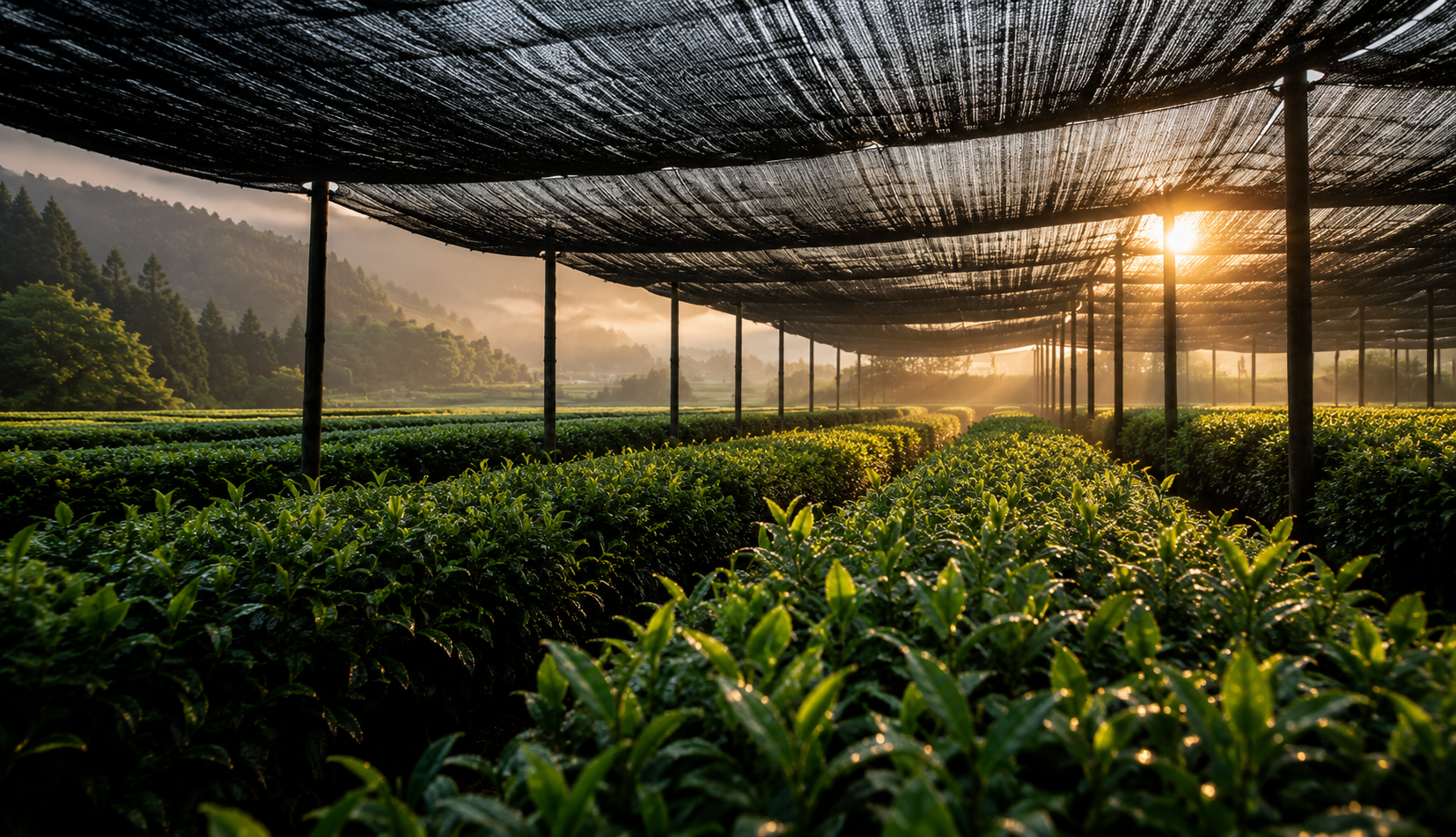
O chá japonês é definido por uma técnica que não existe em mais nenhum lugar: o cultivo à sombra. Três a quatro semanas antes da colheita, os campos de chá são cobertos com dosséis que bloqueiam 85–90% da luz solar. Privadas de luz, as folhas sobreproduzem clorofila e L-teanina — o aminoácido responsável pelo umami, aquela doçura salgada única do chá verde japonês.
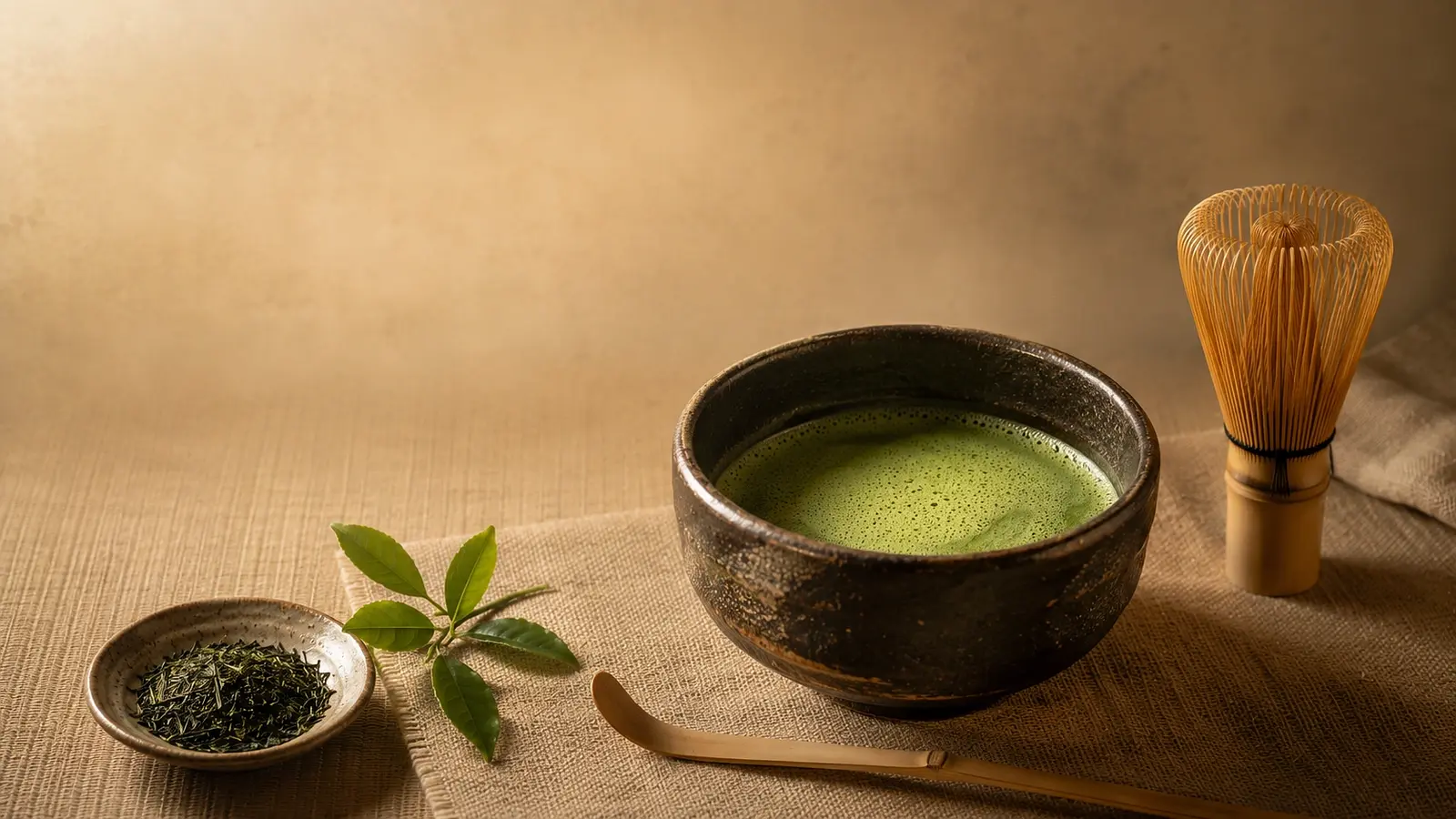
Esta única técnica é o que separa um sencha de ¥500 de um gyokuro de ¥5.000. Mais sombra significa mais umami, mais corpo e uma cor esmeralda mais profunda. É também o que torna o matcha possível: as folhas sombreadas (tencha), moídas em pó, entregam a forma mais concentrada de sabor de chá na terra.
A nossa seleção de chá japonês
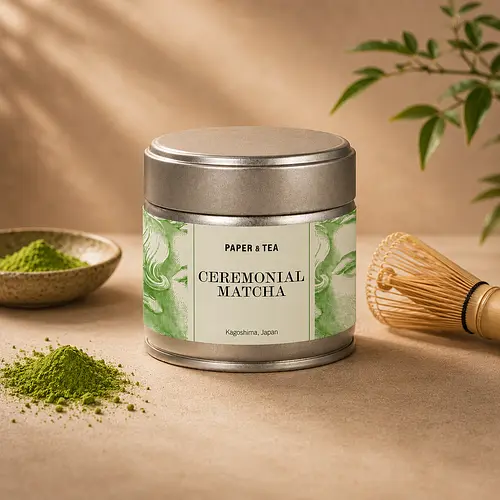
天授 Tenju Ceremonial Matcha
2024 · Marukyu Koyamaen 2024 · Marukyu Koyamaen · Uji, Kyoto Prefecture
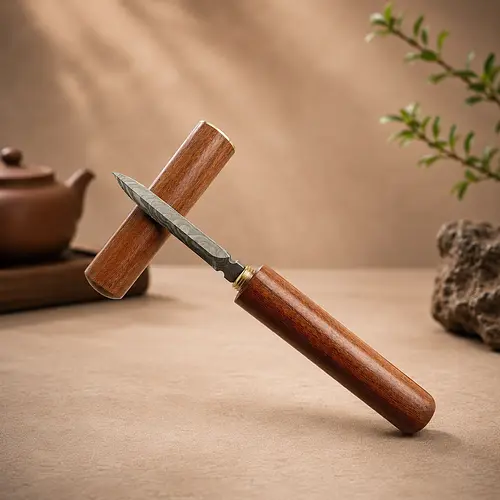
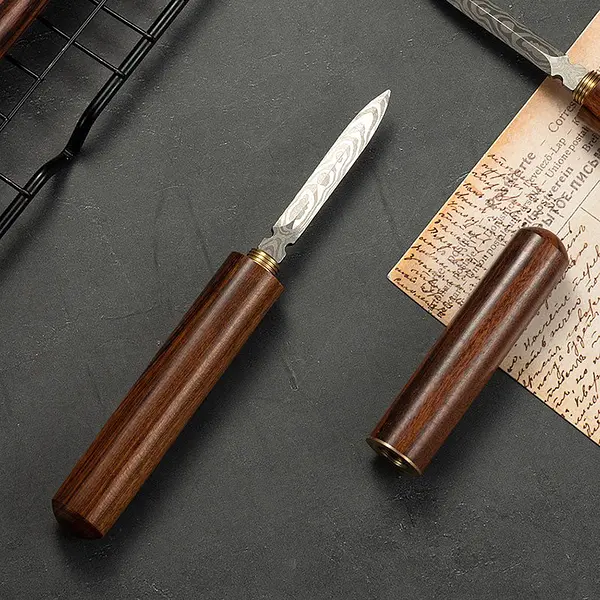
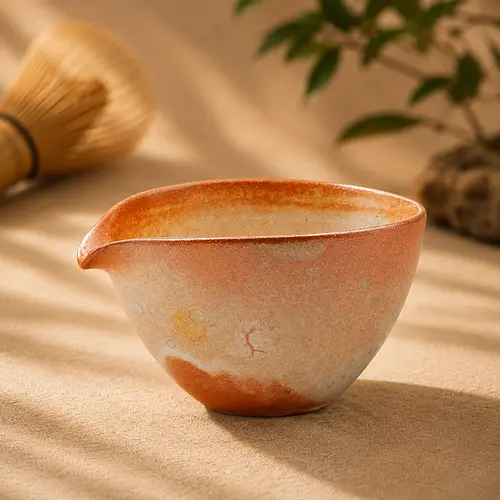
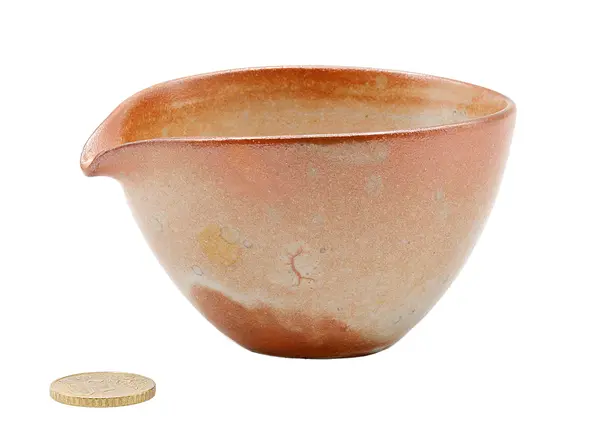
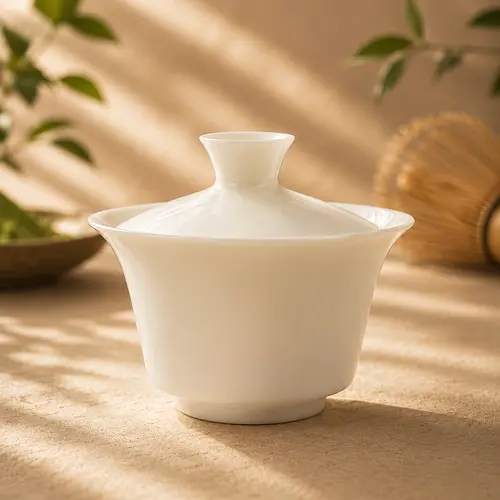
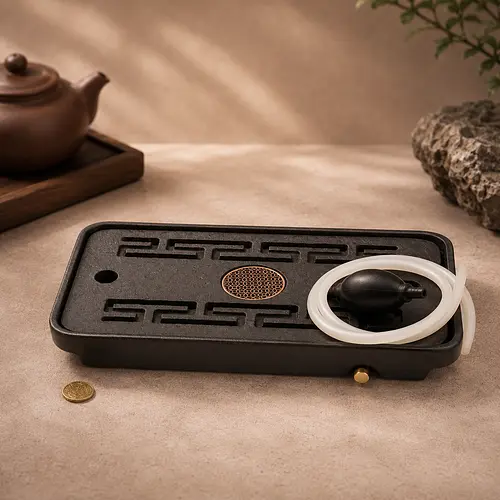
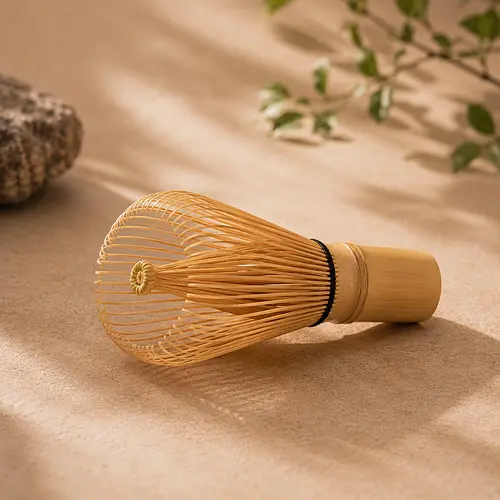
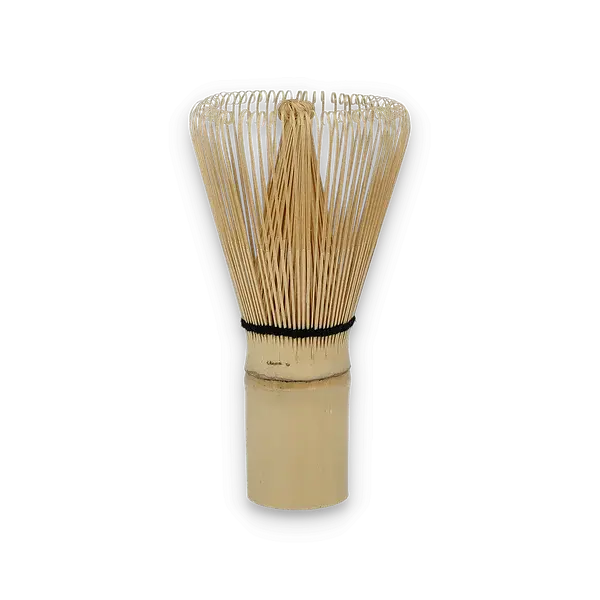
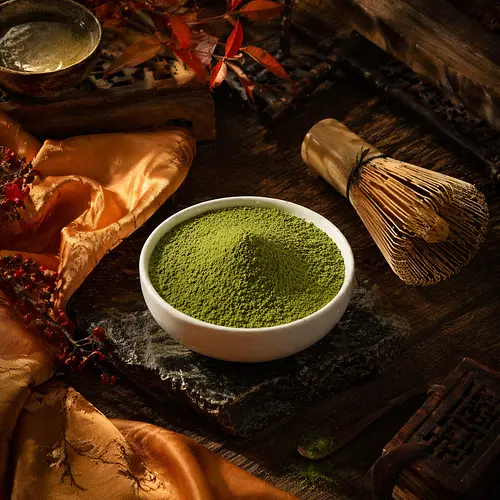
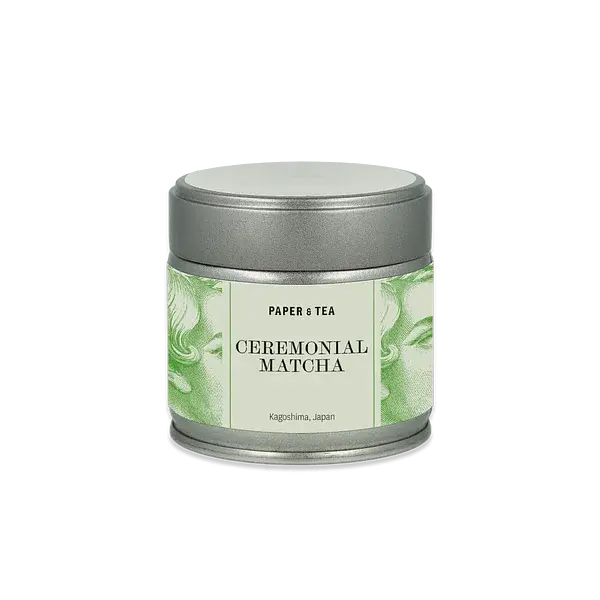
Matcha Ceremonial
2025 · Marukyu Koyamaen 2025 · Marukyu Koyamaen · Uji, Kyoto Prefecture
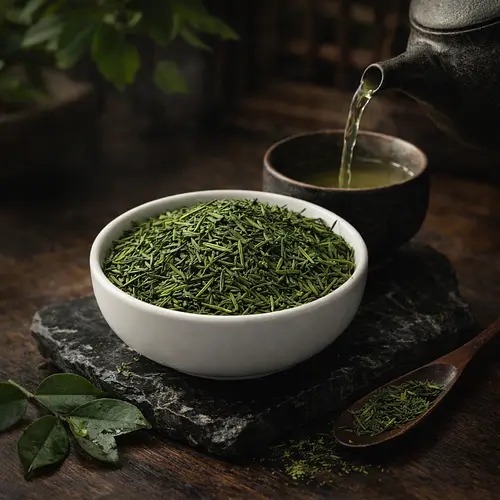
Matcha contra Gyokuro — Pó e folha
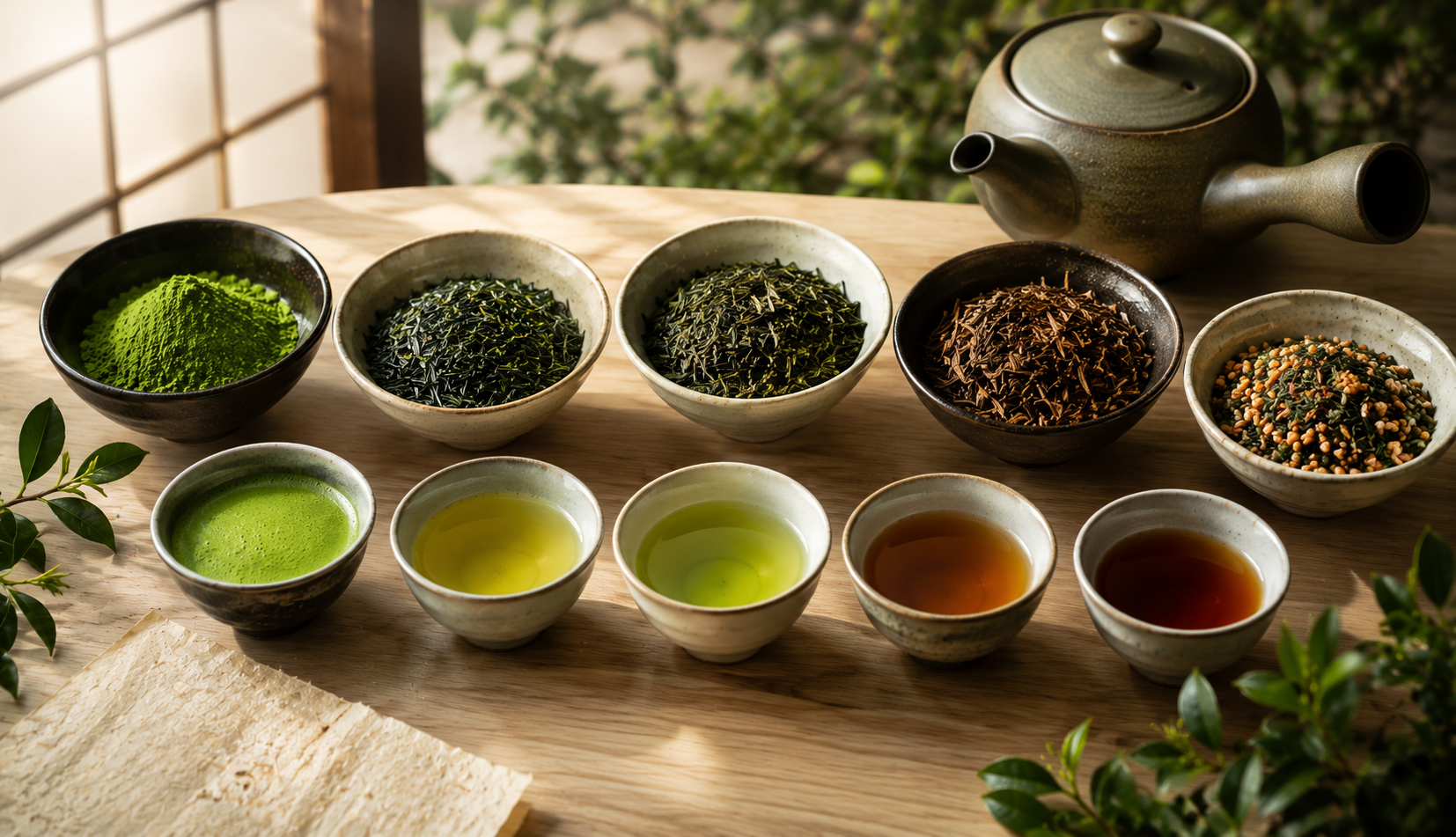
O matcha e o gyokuro começam com a mesma folha sombreada, mas divergem no final. O matcha é tencha moída — consome-se a folha inteira, suspensa em água, batida até formar uma espuma verde vibrante. É imediato, intenso e cerimonial.
O gyokuro é preparado como qualquer chá de folha, mas a uma temperatura muito mais baixa (50–60°C) e por mais tempo. O resultado é um licor semelhante a um caldo — espesso, doce, profundamente umami — que os sérios apreciadores de chá japonês consideram o auge da arte. Onde o matcha é ousado, o gyokuro é meditativo.
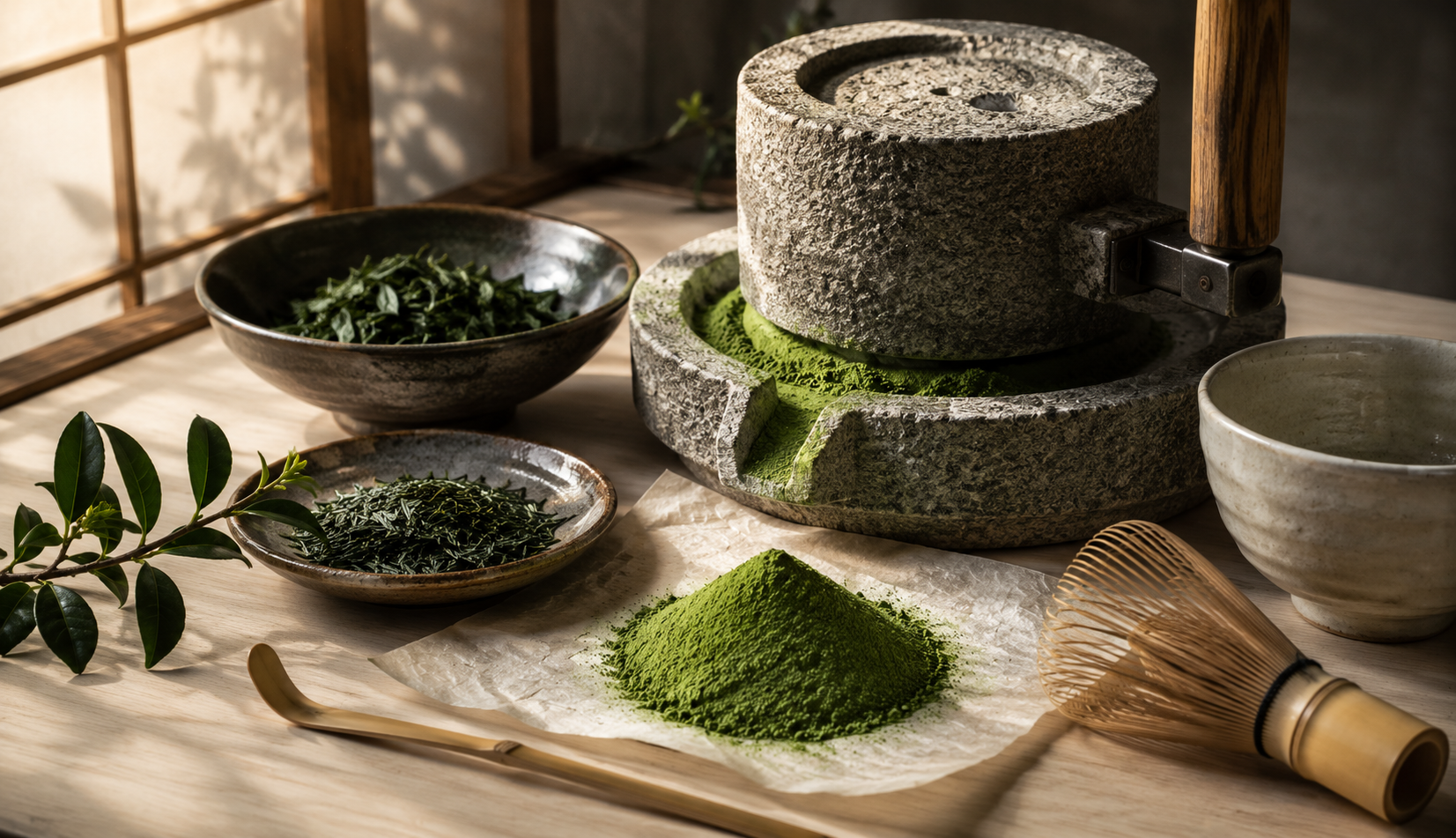
"No Japão, o chá mais fino não é uma bebida — é um momento de quietude."
— Do campo à chávena na tradição de Uji
Excelência de cultivar único
Ao contrário dos chás misturados de produção em massa, a nossa seleção japonesa foca-se em cultivares nomeados — cada um com personalidade distinta. Saemidori oferece doçura e um corpo cremoso. Okumidori traz profundidade e notas marinhas. Gokou entrega o umami mais rico de todos os cultivares, por isso o melhor matcha cerimonial é quase sempre Gokou.
Todo o nosso chá japonês é enviado para todo o mundo, embalado a vácuo com atmosfera de nitrogénio para preservar a frescura. Dos campos sombreados de Uji, Quioto à sua chávena — chá japonês autêntico que pode comprar online com confiança.
Perguntas frequentes
Qual é a diferença entre matcha e gyokuro? +
Ambos são cultivados à sombra, mas o matcha é folha tencha finamente moída enquanto o gyokuro é preparado como folha inteira. O matcha dá corpo completo e umami em cada gole; o gyokuro é uma infusão lenta que revela camadas de doçura. O gyokuro é considerado tecnicamente mais exigente; o matcha é mais acessível para uso diário.
Por que o chá japonês é tão verde? +
Por causa do cultivo à sombra. Nas 3-4 semanas antes da colheita, os campos de chá são cobertos com toldos que bloqueiam 85-90% da luz solar. Sem luz, as folhas produzem mais clorofila — o pigmento que dá a cor verde brilhante — e mais L-teanina, que forma o característico sabor umami.
Que temperatura usar para o gyokuro? +
50-60°C — muito mais baixa do que qualquer outro chá. A temperaturas mais altas, os catequinas amargos dominam a doçura da teanina. Use 4-5g por 60ml, infunda 90-120 segundos. A primeira infusão é a mais rica; a segunda e terceira são muitas vezes ainda melhores.
Vale a pena o matcha de grau ceremonial? +
Sim — se o beber puro. O matcha ceremonial de primeira e segunda colheita tem umami pronunciado e amargura mínima. O matcha culinário tem um regusto amargo ao preparar, por isso serve apenas para smoothies ou panificação. A qualidade da folha sente-se imediatamente.
Como armazenar matcha? +
Hermeticamente fechado, no escuro e frio — idealmente no frigorífico. O pó moído oxida rapidamente ao contacto com o ar, calor e luz. Depois de aberto, use de preferência em 4-6 semanas. Compre embalagens pequenas com mais frequência — sempre melhor do que uma grande embalagem que fica meses aberta.