Collection
Japanese Tea Collection
Japanese tea is defined by two things: shade and umami. Where Chinese teas celebrate oxidation and fire, Japan's finest teas pursue the opposite — a deep, savoury sweetness coaxed from the leaf by blocking sunlight in the final weeks before harvest.
The Art of Shade and Umami
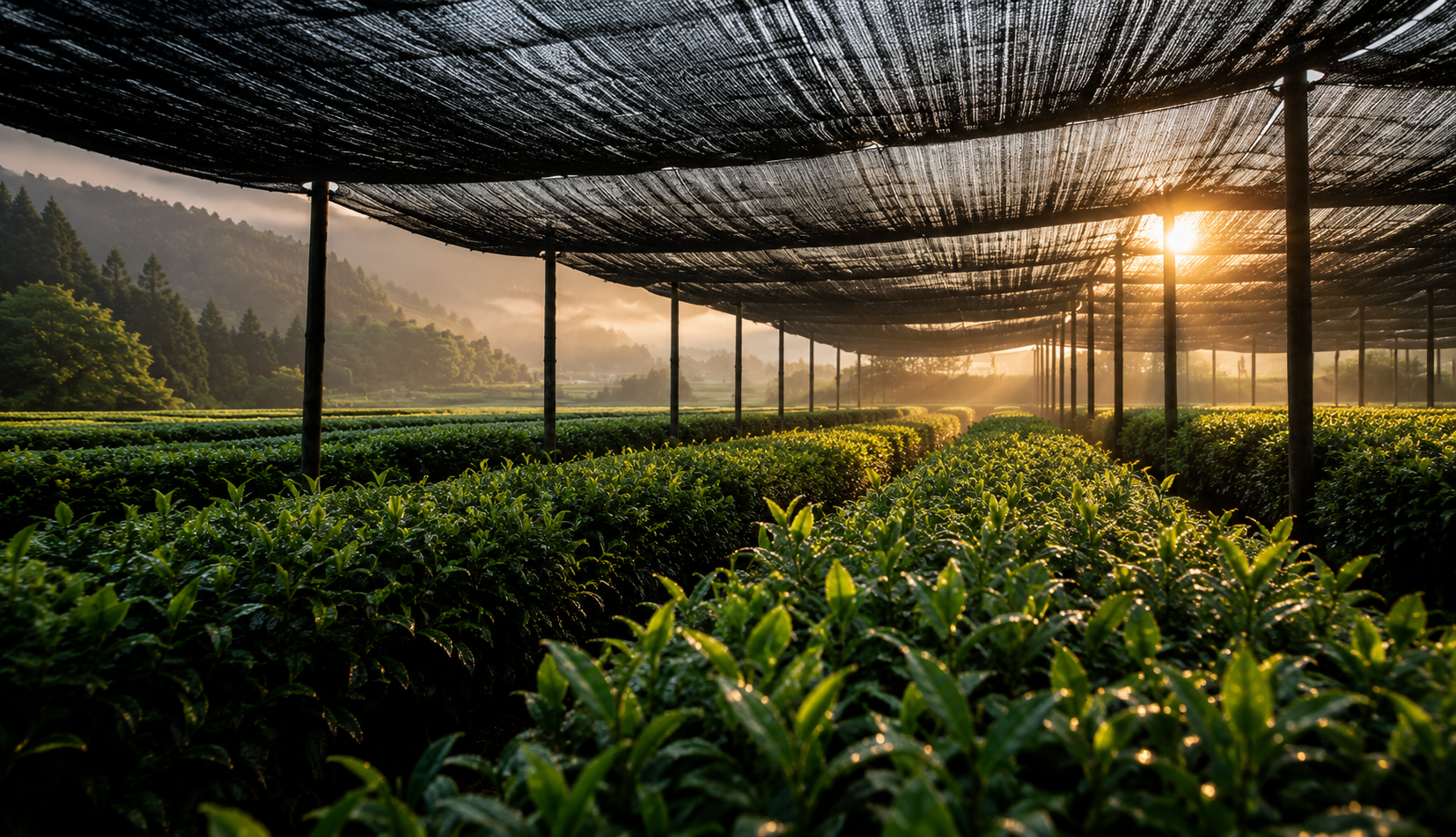
Japanese tea is defined by a technique found nowhere else: shade-growing. Three to four weeks before harvest, tea fields are covered with canopies that block 85–90% of sunlight. Starved of light, the leaves overproduce chlorophyll and L-theanine — the amino acid responsible for umami, that savoury sweetness unique to Japanese green tea.
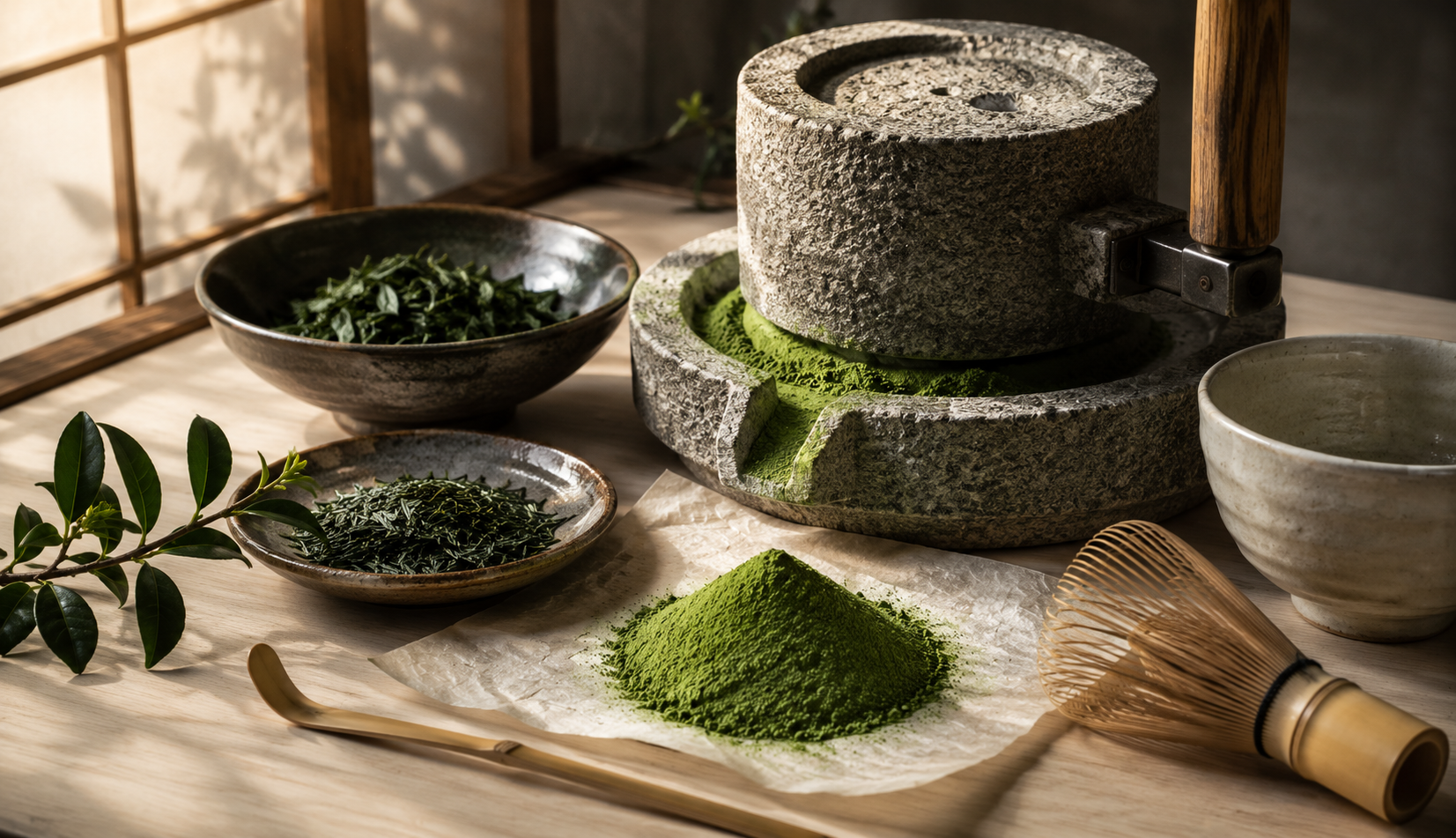
This single technique is what separates a ¥500 sencha from a ¥5,000 gyokuro. More shade means more umami, more body, and a deeper emerald colour. It is also what makes matcha possible: the shaded leaves (tencha), stone-ground into powder, deliver the most concentrated form of tea flavour on earth.
Our Japanese Tea Selection
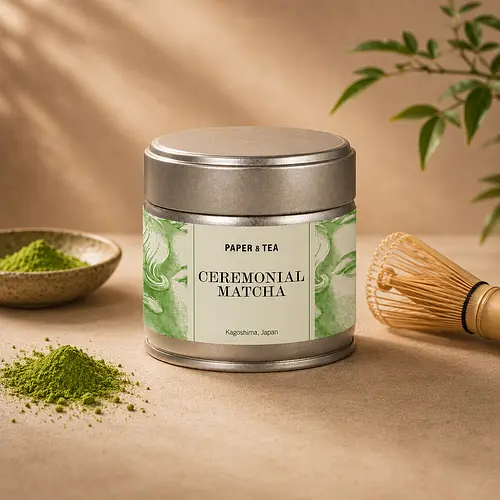
天授 Tenju Ceremonial Matcha
2024 · Marukyu Koyamaen 2024 · Marukyu Koyamaen · Uji, Kyoto Prefecture
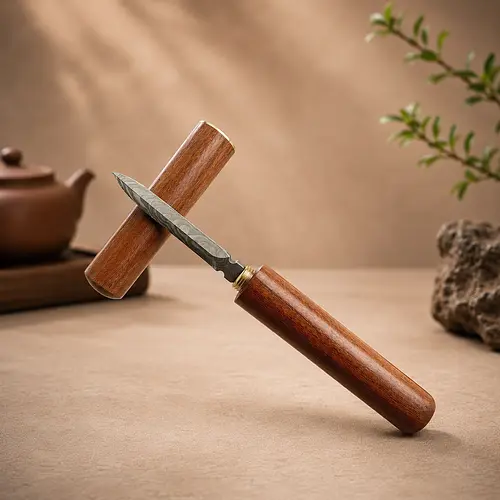
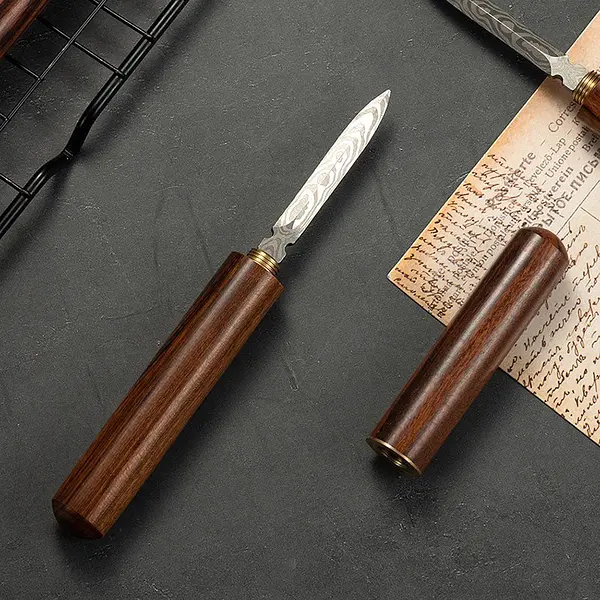
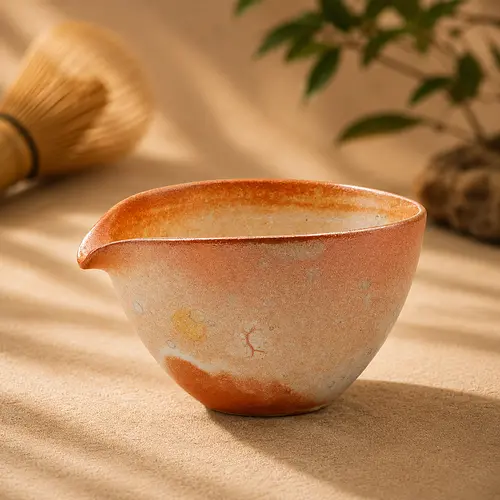
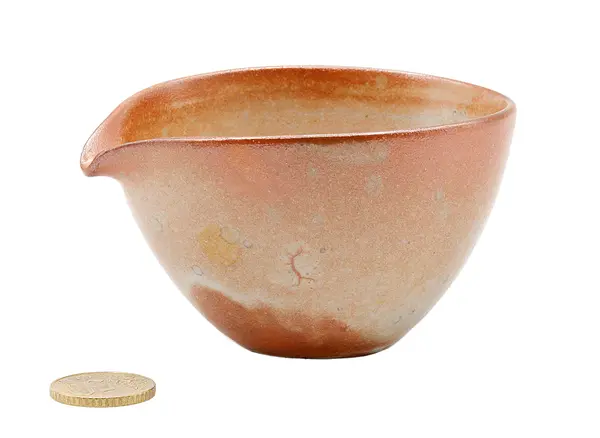
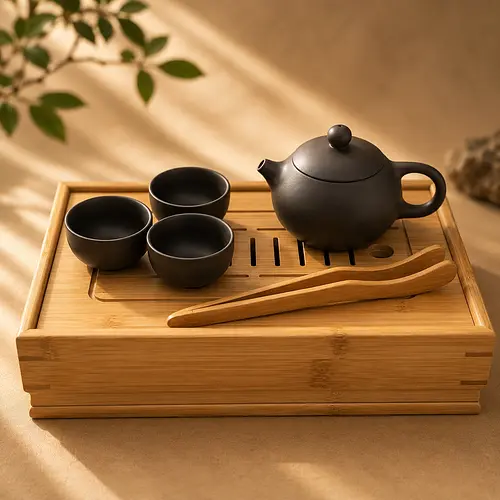
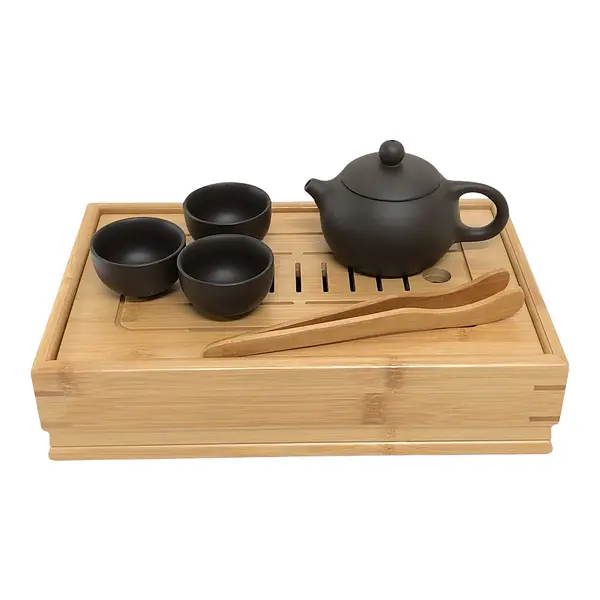
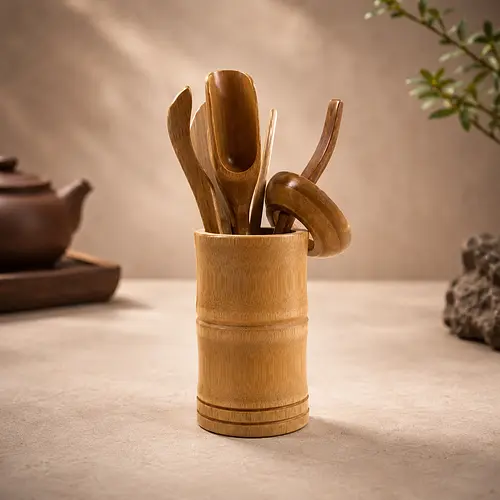
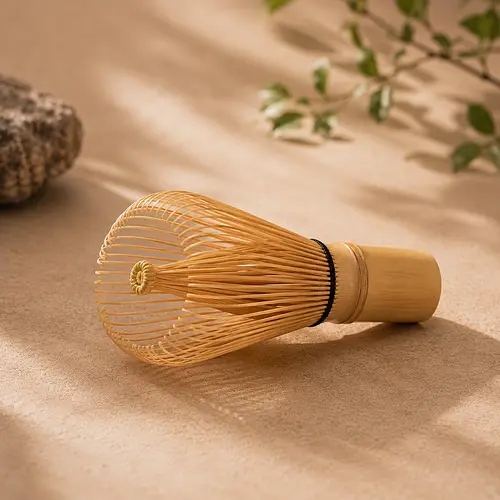
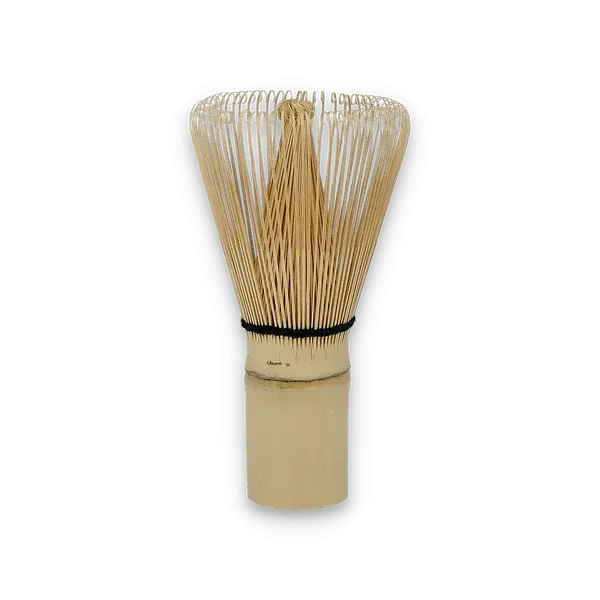
抹茶 Matcha Ceremonial
2025 · Marukyu Koyamaen 2025 · Marukyu Koyamaen · Uji, Kyoto Prefecture
Matcha vs Gyokuro — Powder and Leaf
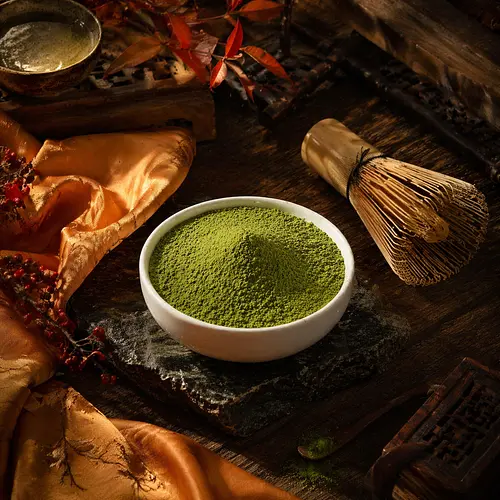
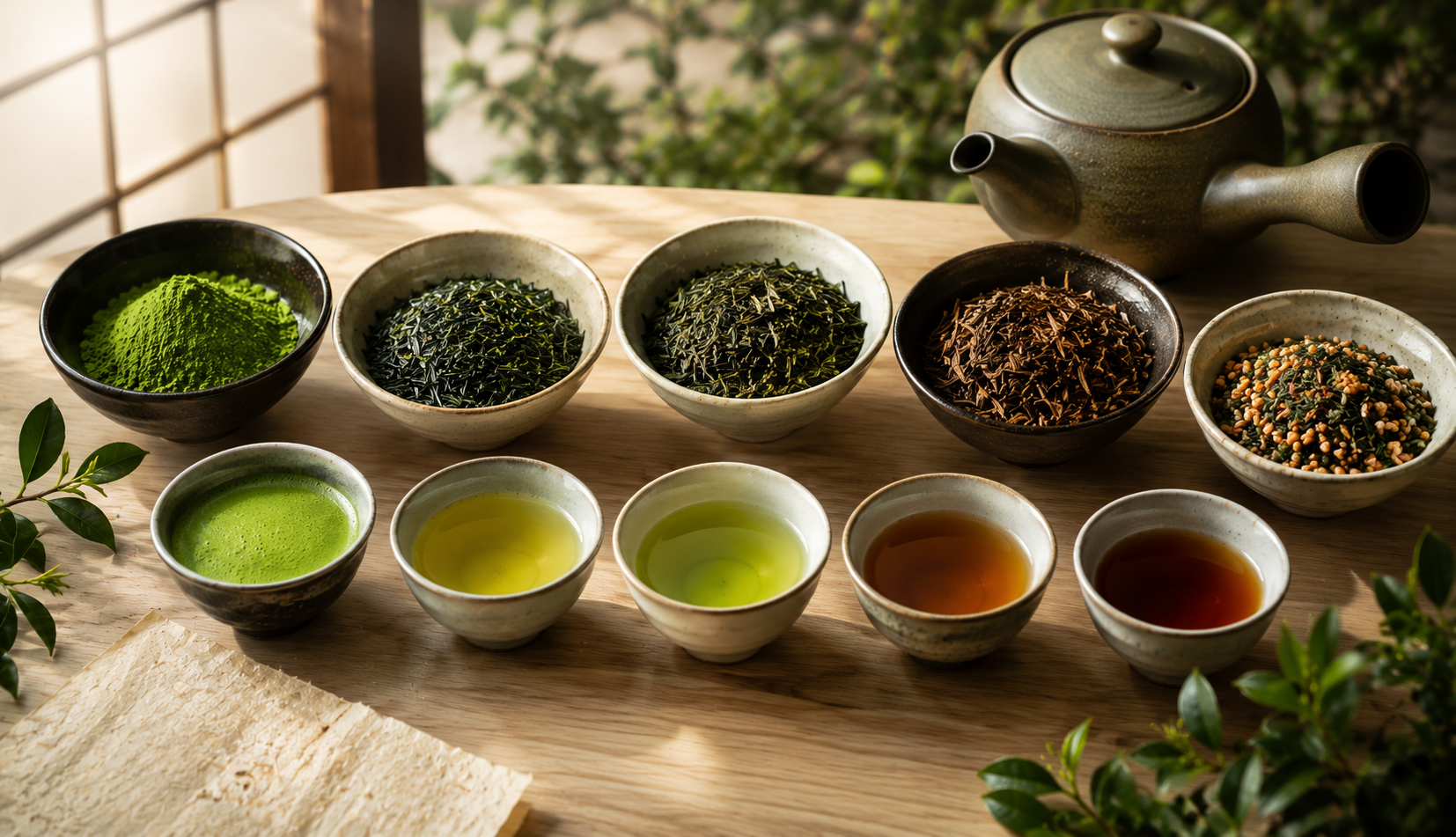
Matcha and gyokuro start from the same shaded leaf, but diverge at the finish. Matcha is stone-ground tencha — you consume the entire leaf, suspended in water, whisked into a vivid green foam. It is immediate, intense, and ceremonial.
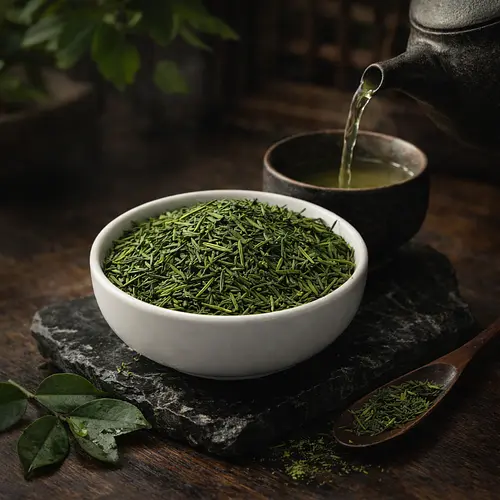
Gyokuro is steeped like any leaf tea, but at a much lower temperature (50–60°C) and for longer. The result is a broth-like liquor — thick, sweet, profoundly umami — that serious Japanese tea drinkers consider the pinnacle of the craft. Where matcha is bold, gyokuro is meditative.
"In Japan, the finest tea is not a drink — it is a moment of stillness."
— From field to cup in the Uji tradition
Single-Cultivar Excellence
Unlike blended commodity teas, our Japanese selection focuses on named cultivars — each with a distinct personality. Saemidori offers sweetness and a creamy body. Okumidori brings depth and marine notes. Gokou delivers the richest umami of any cultivar, which is why the finest ceremonial matcha is almost always Gokou.
All our Japanese teas ship worldwide, vacuum-sealed in nitrogen-flushed packaging to preserve freshness. From the shaded fields of Uji, Kyoto to your cup — authentic Japanese tea you can buy online with confidence.
Frequently Asked Questions
What is the difference between matcha and gyokuro? +
Both are shade-grown, but matcha is stone-ground into a fine powder and consumed whole, while gyokuro is a whole-leaf tea brewed by infusion. Matcha delivers a fuller, thicker texture; gyokuro offers a more delicate, layered experience across multiple steeps. The flavor profiles overlap — both are umami-rich — but the drinking experience is quite different.
Why is Japanese tea so green? +
Two reasons: shade-growing floods the leaf with chlorophyll, and Japanese tea is steamed (not pan-fired like Chinese green tea) within hours of picking, which locks in the vivid green color. The combination produces that distinctive electric jade that no other tea tradition replicates.
What temperature should I use for gyokuro? +
50–60°C — much cooler than any other tea. This low temperature extracts the sweet amino acids (L-theanine) while leaving the bitter catechins behind. Use about 5g per 50ml, steep for 2 minutes on the first infusion, and expect a tiny, intensely concentrated cup.
Is ceremonial grade matcha worth the price? +
For drinking straight, absolutely. Ceremonial grade comes from the first spring harvest of heavily shaded tencha, stone-ground slowly. It is sweeter, smoother and far less bitter than culinary grade. For lattes and baking, culinary grade is perfectly fine — the milk and sugar mask the subtleties anyway.
How should I store matcha? +
Matcha is the most perishable of all teas. Keep it sealed, refrigerated and away from moisture and strong odors. Once opened, use within 3–4 weeks for best flavor. Never freeze an opened tin — condensation will ruin it. Unopened tins keep well for 6–12 months in the fridge.