Collectie
Japanse Thee Collectie
Schaduwteelt, umami en jade-groen — thee als kunst uit Uji, Kyoto.
De Kunst van Schaduw en Umami
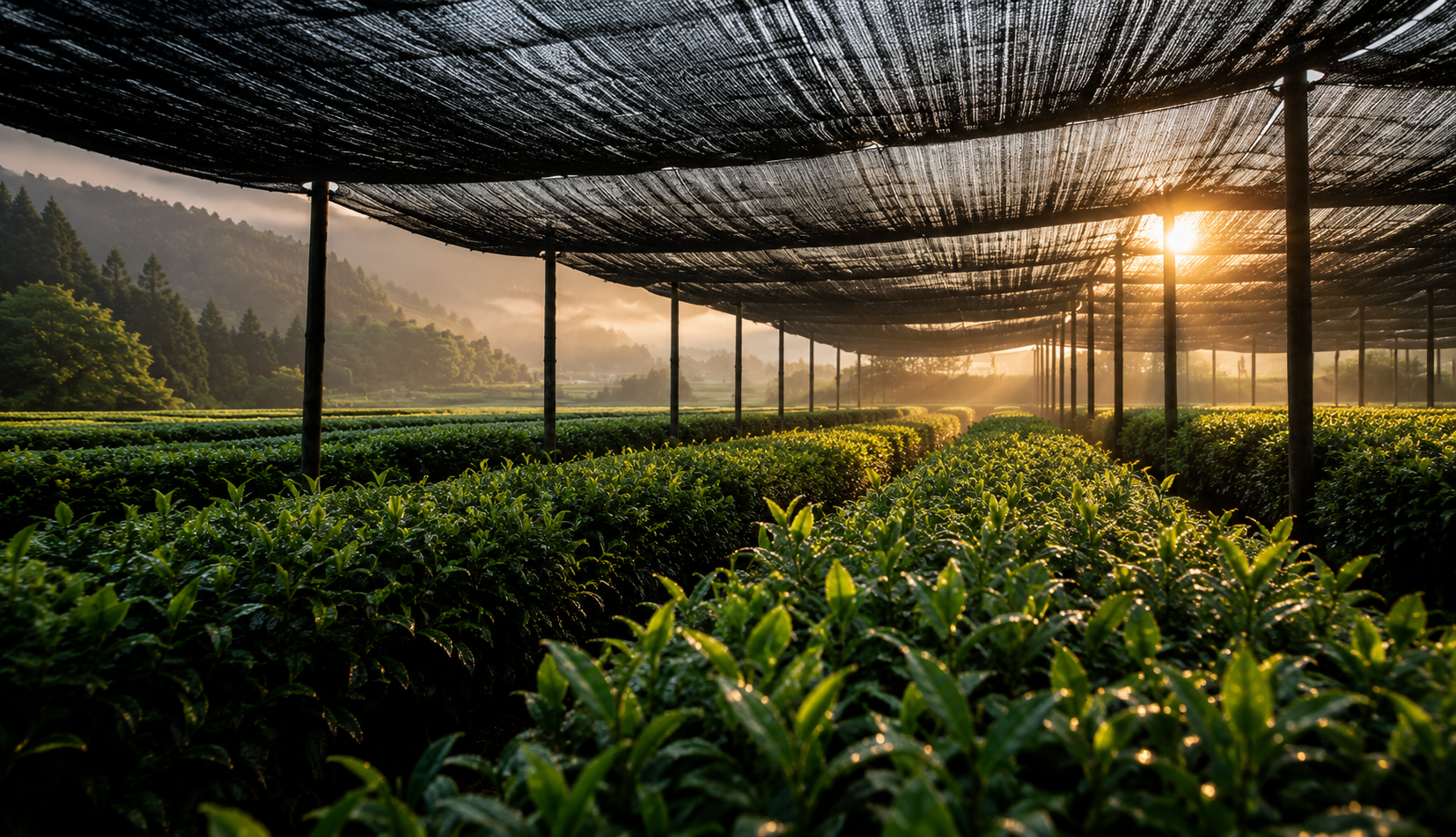
Japanse thee wordt gedefinieerd door een techniek die nergens anders bestaat: schaduwteelt. Drie tot vier weken voor de oogst worden theevelden bedekt met luifels die 85–90% van het zonlicht blokkeren. Beroofd van licht produceren de bladeren overmatig chlorofyl en L-theanine — het aminozuur dat verantwoordelijk is voor umami, die hartige zoetheid die uniek is voor Japanse groene thee.
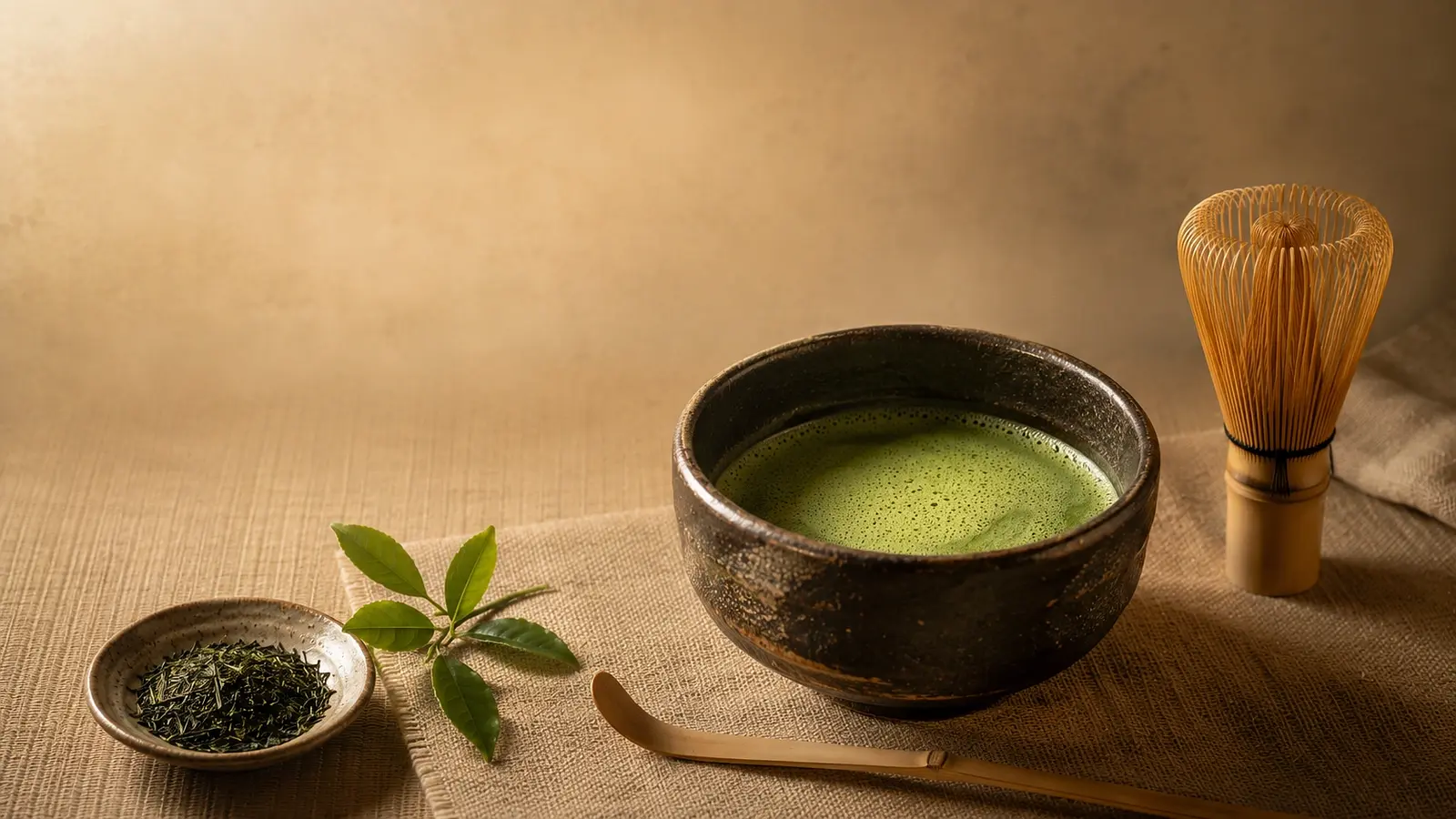
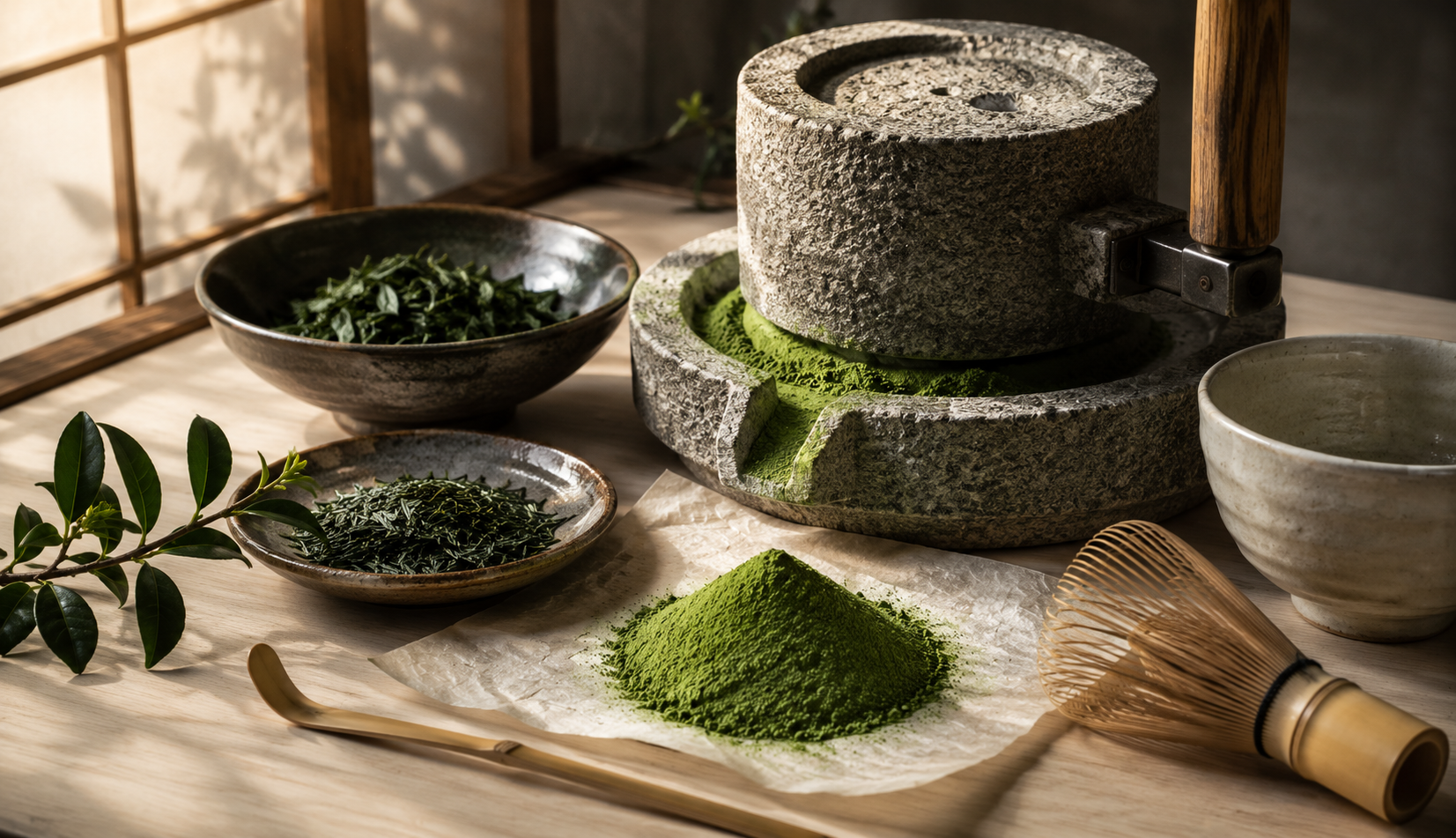
Deze ene techniek is wat een ¥500 sencha onderscheidt van een ¥5.000 gyokuro. Meer schaduw betekent meer umami, meer body en een diepere smaragdgroene kleur. Het is ook wat matcha mogelijk maakt: de beschaduwde bladeren (tencha), tot poeder gemalen, leveren de meest geconcentreerde vorm van theesmaak ter wereld.
Onze Japanse Thee Selectie
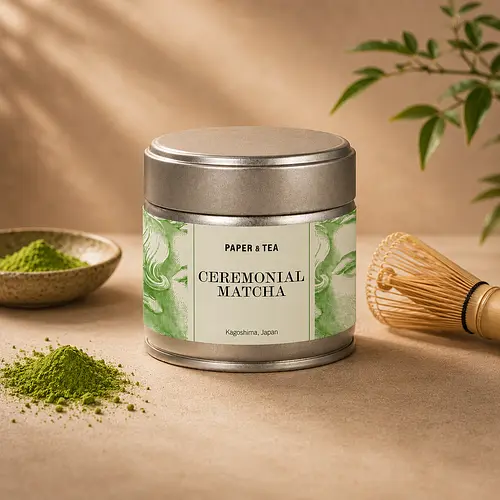
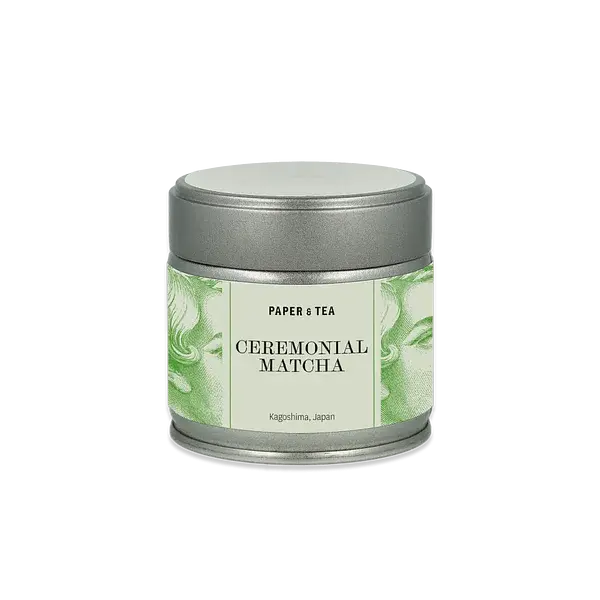
天授 Tenju Ceremonial Matcha
2024 · Marukyu Koyamaen 2024 · Marukyu Koyamaen · Uji, Kyoto Prefecture
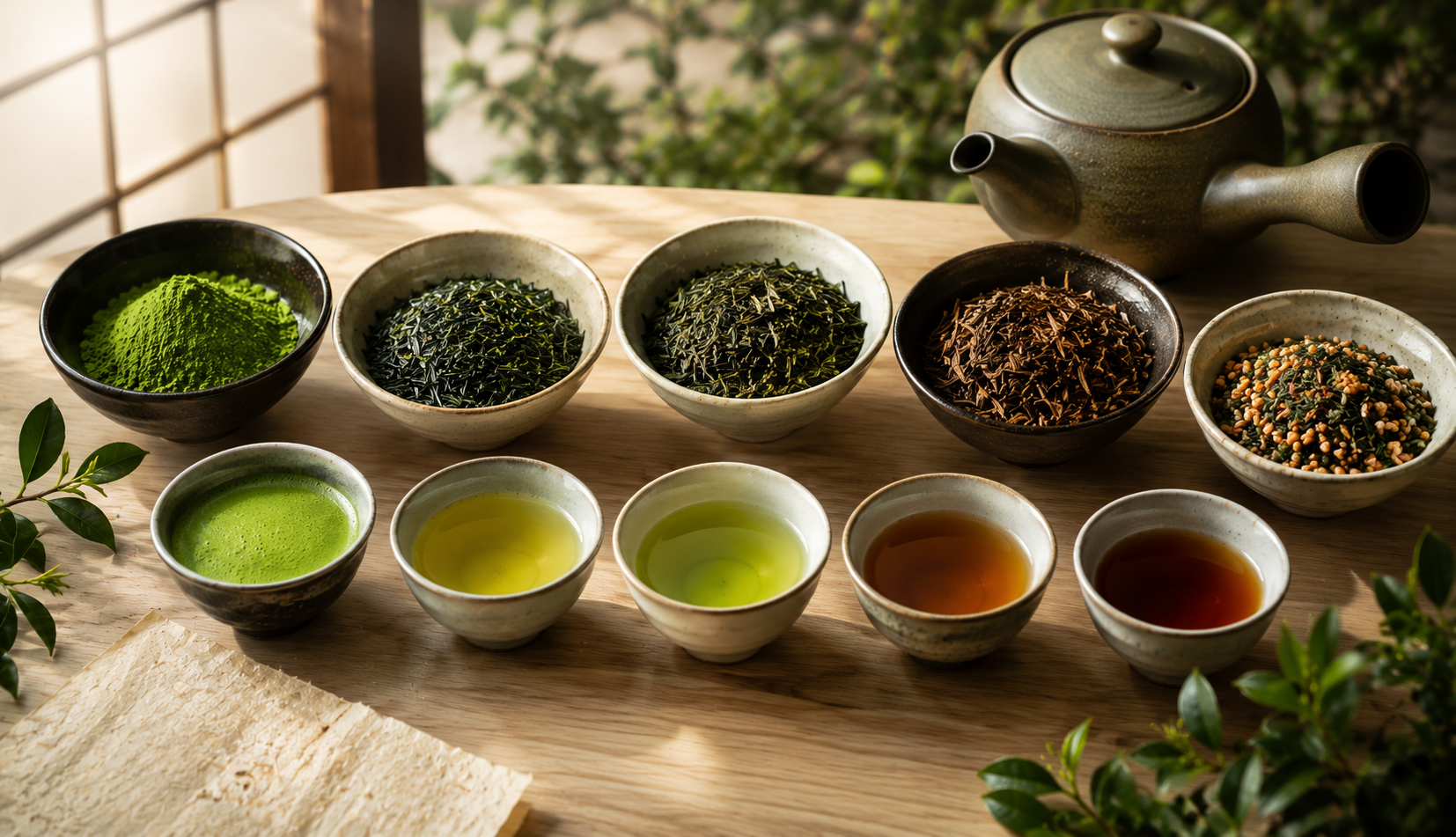
Matcha vs Gyokuro — Poeder en Blad
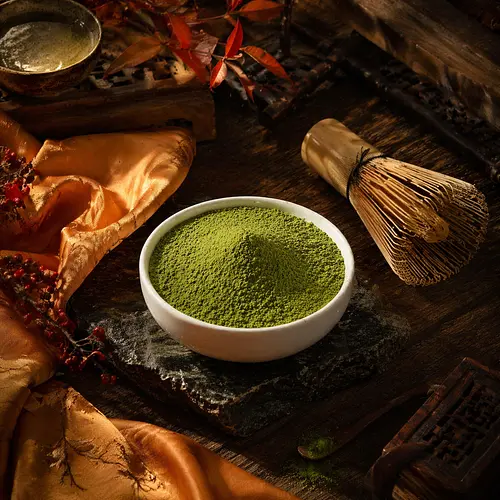
Matcha en gyokuro beginnen met hetzelfde beschaduwde blad, maar divergeren bij de afwerking. Matcha is gemalen tencha — u consumeert het hele blad, gesuspendeerd in water, opgeklopt tot een levendig groen schuim. Het is onmiddellijk, intens en ceremonieel.
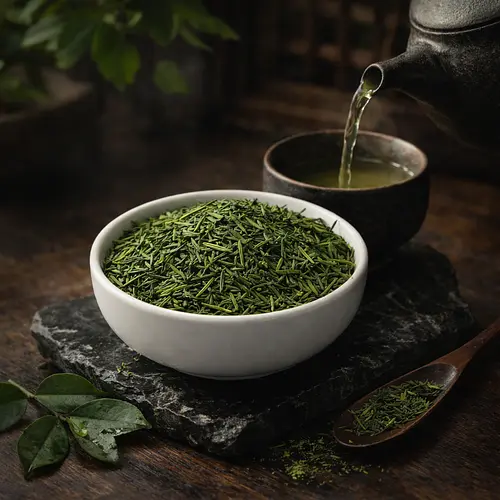
Gyokuro wordt gezet als elke bladthee, maar bij een veel lagere temperatuur (50–60°C) en langer. Het resultaat is een bouillonachtige vloeistof — dik, zoet, diep umami — die serieuze Japanse theedrinkers beschouwen als het hoogtepunt van het vak. Waar matcha gedurfd is, is gyokuro meditatief.
"In Japan is de fijnste thee geen drank — het is een moment van stilte."
— Van veld tot kop in de Uji-traditie
Single-Cultivar Excellentie
In tegenstelling tot gemengde commoditytheeën richt onze Japanse selectie zich op benoemde cultivars — elk met een eigen persoonlijkheid. Saemidori biedt zoetheid en een romig lichaam. Okumidori brengt diepte en mariene tonen. Gokou levert het rijkste umami van alle cultivars, daarom is de fijnste ceremoniële matcha bijna altijd Gokou.
Al onze Japanse thee wordt wereldwijd verzonden, vacuümverpakt in stikstofspoeling om de versheid te bewaren. Van de beschaduwde velden van Uji, Kyoto tot uw kop — authentieke Japanse thee die u online met vertrouwen kunt kopen.
Veelgestelde vragen
Wat is het verschil tussen matcha en gyokuro? +
Beide worden in de schaduw gekweekt, maar matcha is fijngemalen tencha-blad terwijl gyokuro als heel blad gezet wordt. Matcha geeft vol lichaam en umami in elke slok; gyokuro is een langzaam zetten dat lagen zoetheid onthult. Gyokuro wordt als technisch veeleisender beschouwd; matcha is toegankelijker voor dagelijks gebruik.
Waarom is Japanse thee zo groen? +
Door schaduwkweek. In de 3–4 weken voor de oogst worden theevelden bedekt met afdakken die 85–90% van het zonlicht blokkeren. Zonder licht produceren de bladeren meer chlorofyl — het pigment dat de heldere groene kleur geeft — en meer L-theanine, dat de karakteristieke umami-smaak vormt.
Welke temperatuur gebruik ik voor gyokuro? +
50–60°C — veel lager dan voor enige andere thee. Bij hogere temperaturen overheersen de bittere catechinen de theanine-zoetheid. Gebruik 4–5g op 60ml, zet 90–120 seconden. De eerste infusie is de rijkste; de tweede en derde zijn vaak nog beter.
Is ceremoniele kwaliteit matcha de prijs waard? +
Ja — als u het puur drinkt. Ceremoniele matcha van de eerste en tweede pluk heeft uitgesproken umami en minimale bitterheid. Culinaire matcha heeft een bittere nasmaak bij zetten, dus is alleen geschikt voor smoothies of bakken. De bladkwaliteit is direct voelbaar.
Hoe bewaar ik matcha? +
Luchtdicht in het donker en koud — idealiter in de koelkast. Gemalen poeder oxideert snel bij contact met lucht, warmte en licht. Na opening bij voorkeur binnen 4–6 weken gebruiken. Koop vaker kleine verpakkingen — altijd beter dan een grote verpakking die maandenlang staat.